
Architecture · Production guide · Egypt
Golden hour and blue hour create different opportunities for architectural photography. Warm directional light can reveal form and texture; the transition after sunset can help illuminated interiors stand out. Neither time is automatically right for every building. The choice should follow the facade, the design intention and the campaign’s needs.
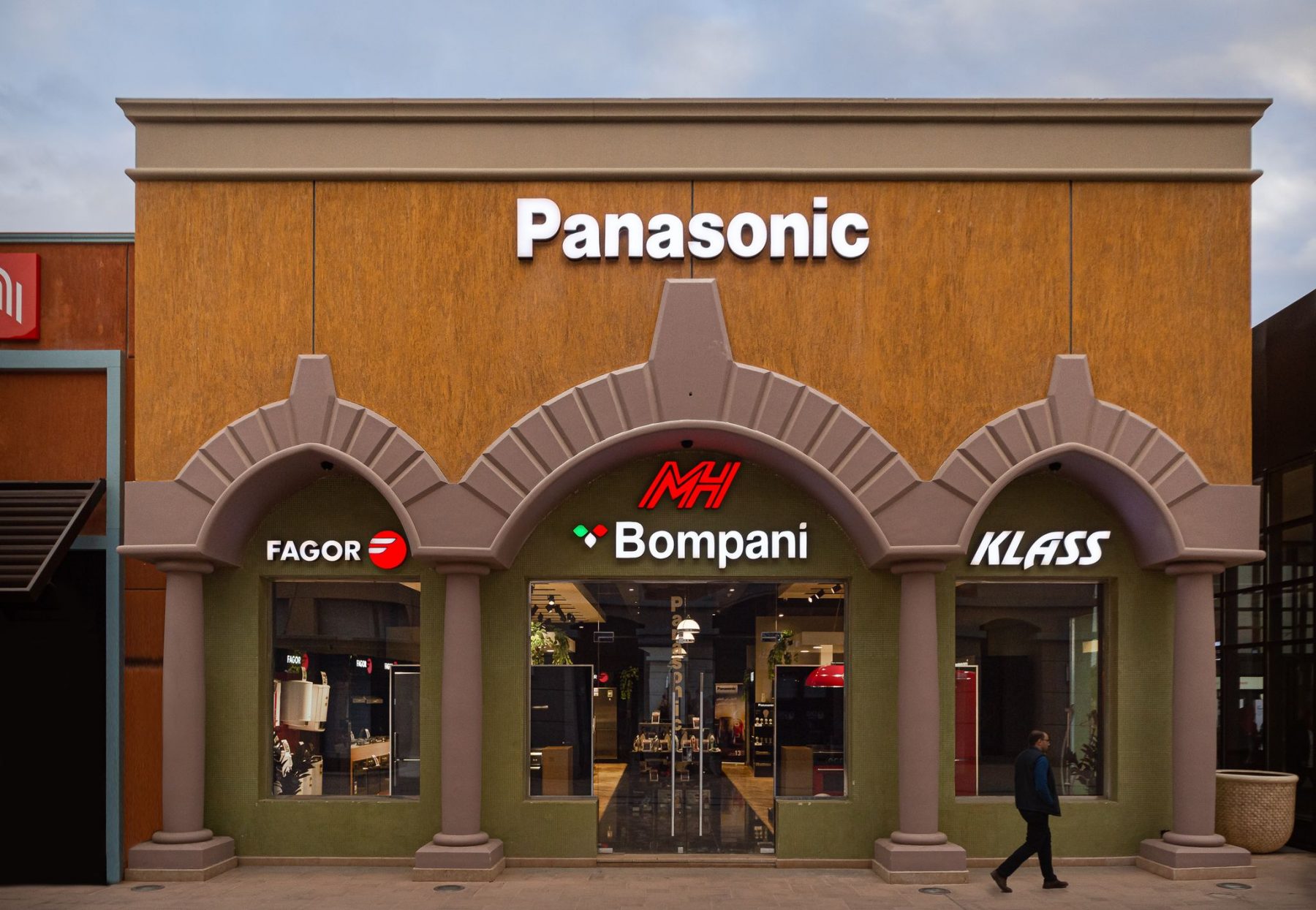
Use warm light to describe form
Low directional sunlight can bring out texture and create visible depth across a facade. It can also create strong shadows or bright reflections that hide important information. Review the orientation of the specific viewpoint, not only the general time of day. A building’s front elevation and courtyard may need different lighting conditions even when they are close together.
Use the evening transition intentionally
As daylight falls, artificial lighting can become more visible in relation to the exterior. This can suit hospitality, residential and commercial buildings where the evening atmosphere is important. The useful balance may be brief, so lights, access and the composition should be ready beforehand. Waiting until the desired moment to start preparing can mean missing it.
Confirm which interior and landscape lights are working. An evening photograph can expose inconsistent bulbs, unfinished lighting zones or operational restrictions that are less noticeable during the day.
Keep a neutral coverage option
A dramatic hero image does not always explain materials or entrances as clearly as a more neutral view. Plan supporting coverage that shows the building accurately. If the main image relies on a particular sky or lighting balance, consider how the library will work when that photograph is not the right fit for a presentation or publication.
Build timing into the production plan
Identify the essential viewpoints and arrange access around them. Keep nearby distractions and preparation needs visible in the schedule. Exterior conditions can change, so agree a contingency rather than promising a specific sky. The photographer’s task is to make the most of the available conditions while keeping the project’s purpose clear, not to force every building into the same sunset formula.
Before you request a proposal
- Facade orientation and priority viewpoints
- Working interior and landscape lighting
- Access arranged before the preferred window
- Neutral supporting views and a contingency plan
Is an evening image always better for a hotel or building?
No. Evening lighting can communicate atmosphere, while daylight may explain materials, landscape or arrival more clearly. A useful image library often includes complementary views chosen for different purposes.
Explore the architecture photography and production service for relevant work and a project enquiry.
Related planning guides
- Architectural Retouching: Keeping Buildings Accurate
- How to Choose an Architectural Photographer for a Completed Project
Plan your next production
Share your location, preferred dates, intended usage and required photographs or videos. Karim Hamdy is based in Cairo and works on location across Egypt and the Middle East.
About the business: Karim Hamdy, commercial photographer and videographer based in Cairo, Egypt.