
Aerial · Production guide · Egypt
An aerial photography brief should explain the location and the intended message before discussing the visual effect. A provider needs enough information to assess feasibility, access and the useful viewpoints. A clear brief helps prevent the production from promising images that do not fit the location or the campaign’s actual needs.
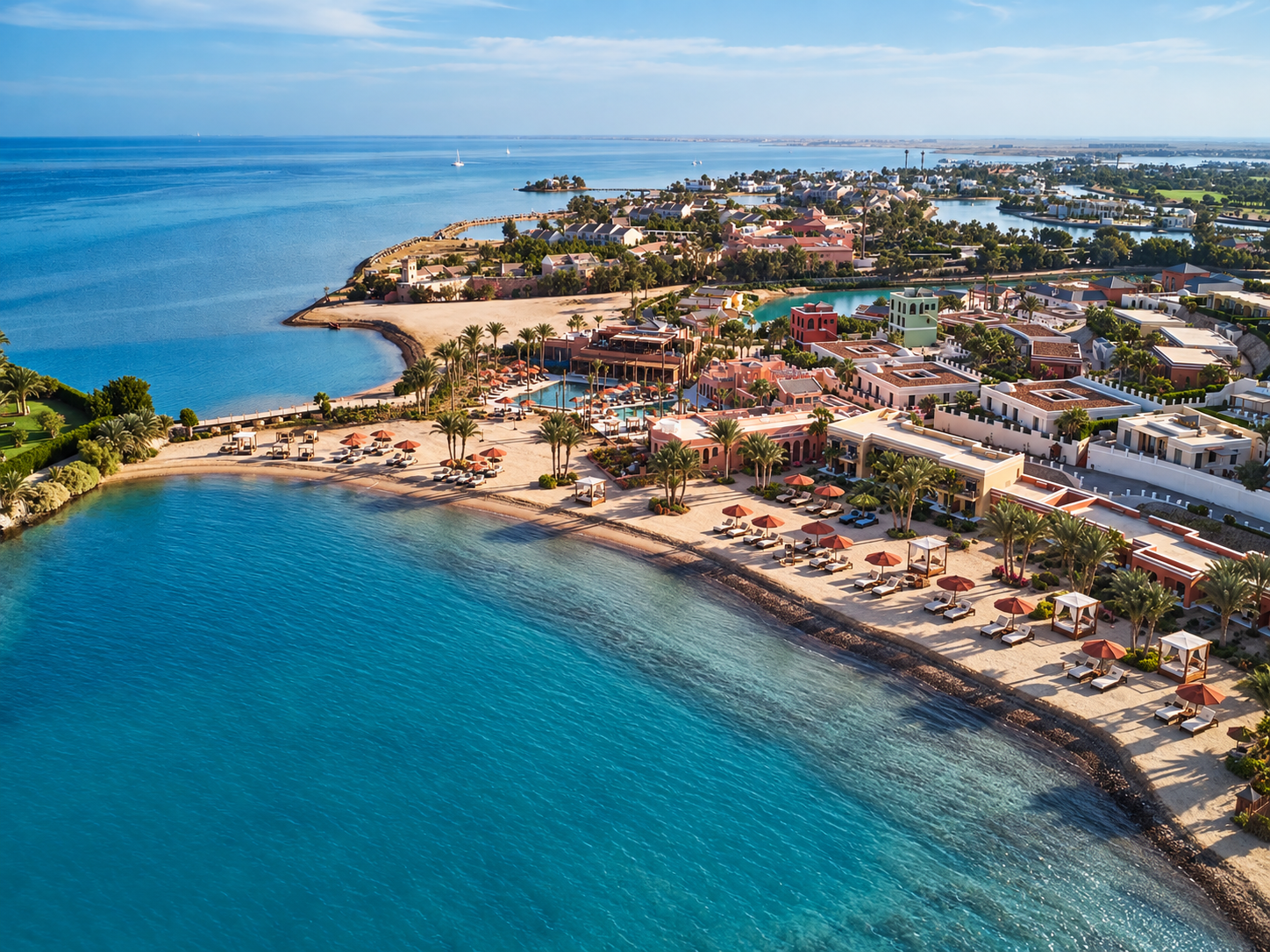
Identify the location precisely
Supply a clear address, site boundaries and a useful reference plan or existing photographs. Explain which buildings, facilities or landscape features belong to the project. Mark the areas that matter to the campaign and any features that must not be implied as part of the property. The goal is accurate orientation rather than a broad request for a view of the neighbourhood.
Describe the information the image must communicate
Decide whether the priority is scale, layout, surroundings, access or an overall impression. Explain the intended audience and placement. A website banner may need clear space for a headline, while a site overview may need more recognizable detail. Avoid asking for one frame to simultaneously be the widest possible view and a close description of individual facilities.
References can clarify direction, but explain which quality matters: the relationship to the landscape, the composition or the amount of contextual information. The provider can then propose an approach suited to the real site.
Ask for feasibility and requirements
Request confirmation of the proposed capture method, practical limitations and any necessary permissions or access arrangements. Identify who can authorize coordination at the location. Keep the timing flexible until the provider has assessed the plan. A brief should make operational questions visible, not assume that a photographic idea is automatically deliverable.
Define delivery and alternatives
Separate still photographs from any video requirement. List the formats, intended channels and selection process, then discuss usage with the provider. Agree what happens if conditions or feasibility prevent the preferred view. An alternative ground-based overview or revised schedule may be more useful than an undefined promise to get something dramatic on the day.
Before you request a proposal
- Exact location, site boundaries and reference plan
- Primary message and required visual information
- Provider-confirmed feasibility and coordination contact
- Still or video outputs, formats and alternatives
Should the client specify exact capture positions?
Reference viewpoints can be helpful, but the provider needs to assess whether they are appropriate and feasible. State the visual goal clearly and allow the production plan to resolve the practical method.
Explore the aerial photography and production service for relevant work and a project enquiry.
Related planning guides
- Aerial Imagery for Coastal Resorts: Showing Setting Without Losing the Property
- Construction Progress Photography: Planning a Consistent Visual Record
Plan your next production
Share your location, preferred dates, intended usage and required photographs or videos. Karim Hamdy is based in Cairo and works on location across Egypt and the Middle East.
About the business: Karim Hamdy, commercial photographer and videographer based in Cairo, Egypt.