
Architecture · Production guide · Egypt
Architectural retouching should improve the photograph’s clarity while preserving a credible representation of the project. Removing a temporary distraction is different from changing the building’s structure or disguising an unfinished feature. A clear finishing brief helps the design and marketing teams agree where that boundary sits before images are approved.
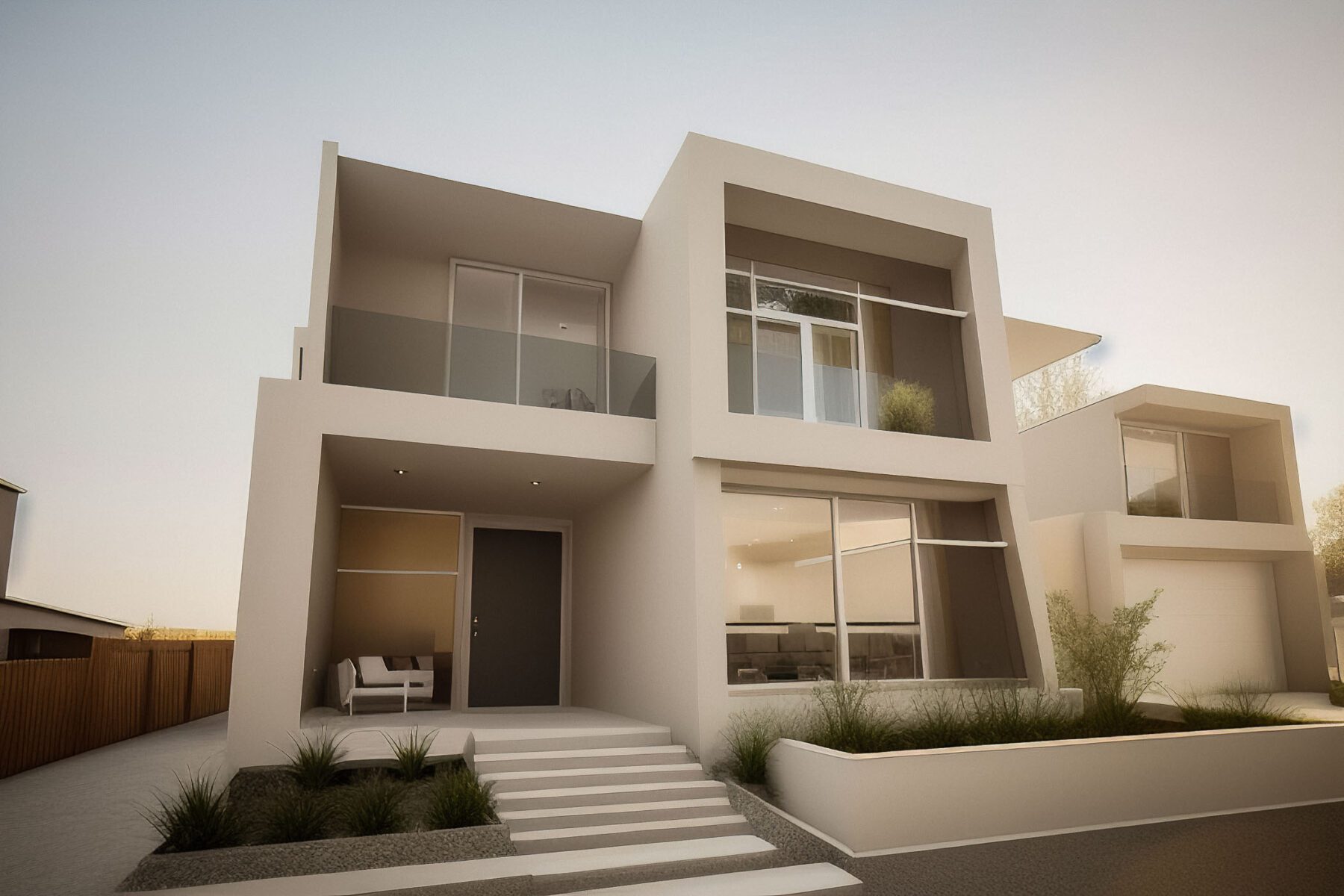
Start with an accurate capture
Camera position, framing and the treatment of vertical lines influence how the space reads. These decisions should be considered during the shoot rather than left entirely to editing. Tell the photographer which proportions and relationships are important to the design. A photograph that exaggerates a room or distorts an elevation can undermine the project presentation even if it looks dramatic.
Define routine cleanup
Discuss temporary items such as loose cables, minor surface distractions or unrelated objects that may be considered for removal. Some are easier to address physically before the photograph is taken. Agree what is included in normal finishing and what would require additional work. Avoid an open-ended instruction to make the building look perfect without explaining what accuracy means for the project.
Use a short marked-up reference when several reviewers are involved. It is easier to resolve one agreed list than conflicting rounds of vague requests from different stakeholders.
Protect material and lighting character
Finishing can balance colour and exposure, but the result should still communicate the actual materials. Overly strong colour shifts, excessive texture smoothing or implausible lighting can change the design’s identity. Compare related photographs as a set so a timber finish or stone surface does not appear to change between rooms.
Separate photography from visualization
If the brief involves adding missing structural elements or substantially changing the built environment, discuss it explicitly as a different kind of image treatment. Decide how such imagery will be described and used. For ordinary completed-project photography, a restrained, consistent approach is usually easier to defend and reuse. Define the approval process before final files are distributed to collaborators or publications.
Before you request a proposal
- Design features that must remain accurate
- A defined list of temporary cleanup items
- Consistent material and colour references
- A clear distinction between photographs and altered visualizations
Should every visible imperfection be removed?
Not automatically. Consider whether it is a temporary distraction, part of the material’s character or a meaningful feature of the completed building. Agree the treatment with the responsible project team.
Explore the architecture photography and production service for relevant work and a project enquiry.
Related planning guides
- How to Choose an Architectural Photographer for a Completed Project
- An Architectural Photography Shot List That Explains the Design
Plan your next production
Share your location, preferred dates, intended usage and required photographs or videos. Karim Hamdy is based in Cairo and works on location across Egypt and the Middle East.
About the business: Karim Hamdy, commercial photographer and videographer based in Cairo, Egypt.